
Congratulations on completing the Pharma Stability Studies course! Throughout this journey, you have delved into the intricacies of stability testing in the pharmaceutical industry, gaining a comprehensive understanding of its principles, practices, and applications. As we conclude, let’s reflect on the key takeaways from this course.
Key Takeaways
- Understanding the importance of stability testing in ensuring the quality, safety, and efficacy of pharmaceutical products.
- Familiarity with regulatory requirements and guidelines from organizations such as the FDA, EMA, and ICH governing stability testing.
- Exploration of fundamental principles of stability, including chemical, physical, and microbiological degradation pathways.
- Identification of factors affecting drug stability, such as temperature, humidity, light, and pH.
- Insight into various aspects of stability study design, including selection of drug products, study protocols, and statistical considerations.
- Examination of analytical techniques and methods used in stability testing, including HPLC, GC, spectroscopy, and forced degradation studies.
- Exploration of different types of stability testing, including accelerated testing, long-term testing, and in-use stability.
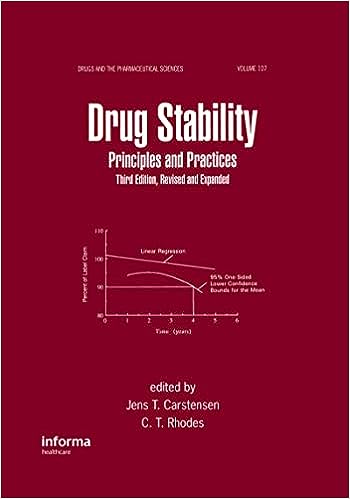
- Understanding the unique challenges and considerations for stability testing of biologics, novel drug products, and pharmaceutical dosage forms.
- Insights into regulatory submissions, documentation requirements, and compliance with GMP standards in stability testing.
- Exploration of emerging trends, technologies, and future directions in stability testing, including predictive modeling and quality by design (QbD) principles.
- Recognition
Next Steps
As you conclude this course, consider how you can apply your newfound knowledge and skills in your professional journey:
- Integrate stability testing best practices into your work environment to enhance product quality and compliance with regulatory requirements.
- Stay informed about evolving regulatory guidelines, technological advancements, and industry trends to adapt your stability testing strategies accordingly.
- Engage in continuous learning and professional development opportunities to expand your expertise in stability testing and related areas.
- Collaborate with colleagues, stakeholders, and regulatory authorities to exchange knowledge, share best practices, and address common challenges in stability testing.
- Contribute to the advancement of stability testing methodologies, standards, and practices through research, innovation, and participation in industry forums.
Remember, stability testing is not just a regulatory requirement; it is a cornerstone of pharmaceutical development that ensures the quality, safety, and efficacy of medicines for patients worldwide. By mastering the principles and practices of stability testing, you play a vital role in advancing healthcare and improving patient outcomes.
Thank you for your dedication and commitment to excellence in stability testing. We wish you success in your future endeavors!